


“When we recognize that we are being held back in life, the question for each of us is ‘What do I do about it?’”
Treatment Approaches
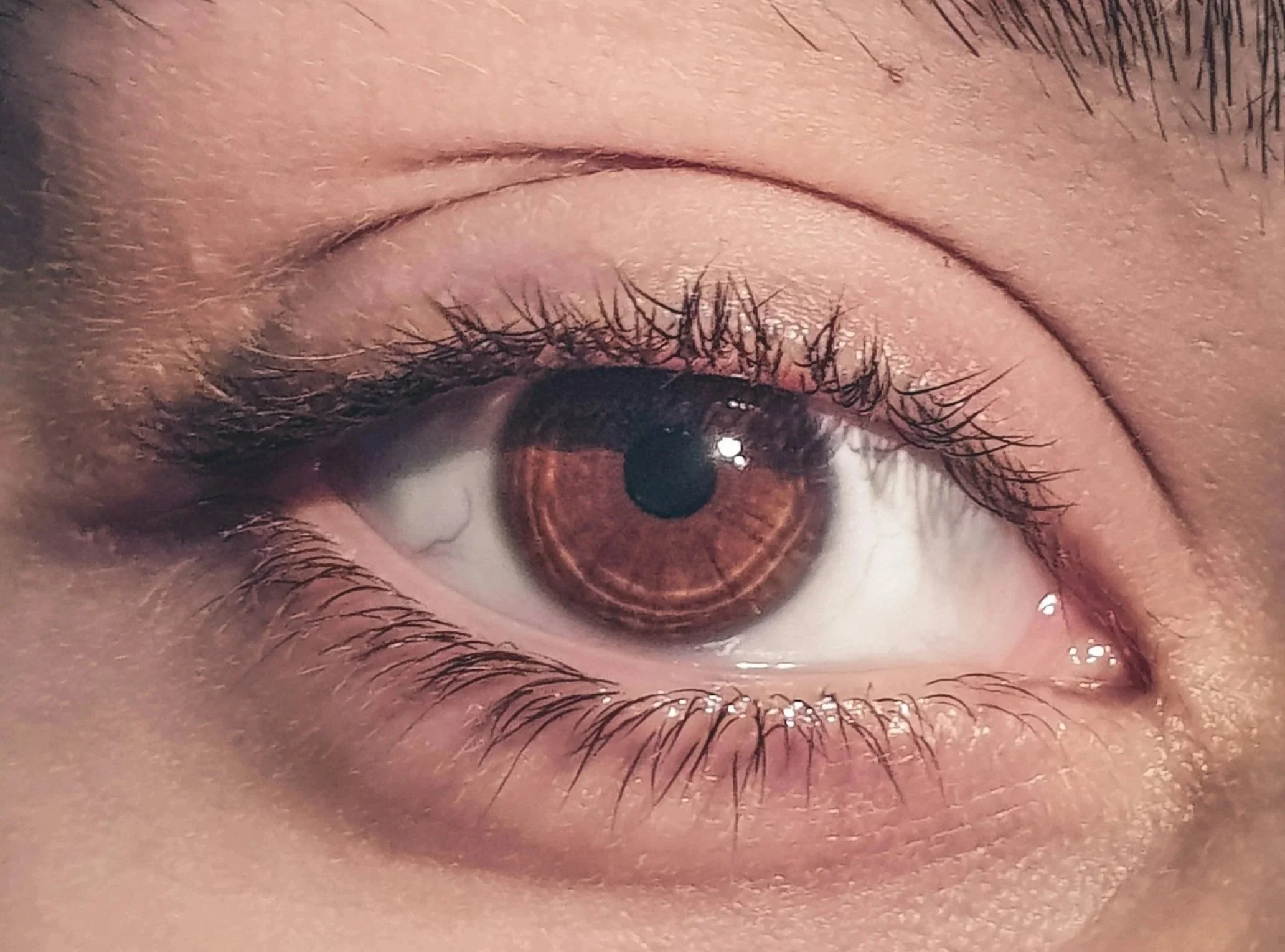
EMDR Therapy
Eye-Movement Desensitization and Reprocessing (EMDR) is an evidenced base treatment for trauma. EMDR works from the theory that due to the overwhelming nature of traumatic events, our nervous system can’t process the traumatic material the way it normally would. Therefore, after surviving a trauma(s) you may have noticed thoughts, sensations, or even beliefs about yourself from that incident(s) continuing to come up in your daily life, even after the incident(s) is over. EMDR uses eye-movements to activate the brain’s natural processing center in order to help reprocess these traumatic experiences that continue to contribute to challenges in your daily life.

Structural Dissociation Theory (SDT) Treatment
SDT is an evidenced based therapeutic approach for the treatment of trauma related dissociation. SDT teaches that people who have experienced traumatic events/situations, wether in adulthood or childhood, are likely to experience dissociation as a self-protective mechanism. Living with dissociation can be confusing, jarring, and difficult. SDT allows us to use some structured and unstructured techniques to help support you as you learn about and build skills to decrease your dissociation, as well as work to unravel the root of the dissociation.

EquilateralEMDR
The relationship between horses and humans is a bond that reaches back centuries. Horses have always been there to help us stay alive, carry heavy loads, and provide companionship. Horses because of their unique nervous systems also offer us a window into our own nervous systems. EquilateralEMDR (Developed by Sarah Jenkins) uses this special relationship accompanied by EMDR to help support trauma healing in an innovative and effective way.

Deep Brain Reorienting (DBR)
DBR is a treatment for trauma and attachment wounding that focuses on accessing primal brain structures to access the natural biological sequencing of trauma and attachment wounding to help people start to heal. DBR is evidenced based and well researched, it was created in 2010, by Dr. Frank Corrigan. DBR has been gaining recognition since 2023 in the United States.
Testimonials
“Rose really helped me navigate some intense personal challenges and I am better off for having spent time with her. Rose is an excellent listener, is invested in getting to know her clients and understanding their needs, and brings a great depth of professional knowledge to the table to help address issues in a constructive, healthy manner.”
“I found Rose after trying a couple different therapists, as a young woman I connected with her on a deeper level. She found ways to relate to me and integrate those interests into our practice. ”